
What Are Some of the Symptoms of RF Overexposure?
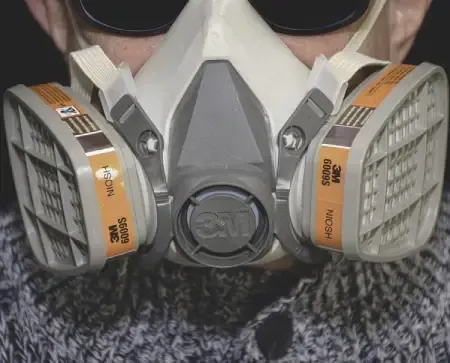
The fatality rates associated with radiofrequency overexposure depend on how much the body absorbed.
- There are many different ways people can be exposed to radiofrequency radiation.
- There are many jobs that are associated with radiofrequency exposure.
- In the event of a radiofrequency radiation emergency, you should know how to protect yourself.
Are There Symptoms of RF Overexposure?
In short-terms, yes, there are many health symptoms associated with the overexposure of radiofrequency (RF). However, before we dive into them, we will first define what causes these symptoms.
When your body has been exposed to a high radiation dosage, you are more than likely to develop radiation sickness. This can be caused by long term-exposure or short-term exposure over a long period of time called acute exposure to radiation. Acute radiation syndrome (ARS) or radiation poisoning are other terms for radiation sickness. We will go into more detail about ARS in a later section. It is important to note that commonly used imaging tests that use low-dose radiation, such as X-rays or CT scans, do not induce radiation sickness.
The amount of radiation that is absorbed by your body during this time is officially referred to as the absorbed dosage. This will ultimately determine how sick you will become. The absorbed dosage amount will depend on the strength of the radiated energy you were exposed to and how long you were exposed to it. It will also depend on the distance you kept between your body and the source of the radiation.
The type of exposure, such as entire or partial body exposure, also influences the signs and symptoms you will contract. The period of time between exposure and the onset of symptoms also plays a role in indicating how much radiation a person has absorbed. The degree of radiation illness is also determined by the sensitivity of the affected tissue. The gastrointestinal system and bone marrow, for example, are extremely vulnerable to radiation. We will go into more detail about that later.
Initial Signs & Symptoms
Now that you know more about what exactly causes the symptoms, we will begin discussing the actual symptoms. For example, nausea and vomiting are common early indications and symptoms of radiation sickness.
Individuals who have been exposed to a high dosage of radiation may also develop skin damage. This specific symptom can manifest itself after a few hours of exposure, but it may also take up to several days. It can appear as mild as swelling, itching, and redness of the skin (similar to an extreme sunburn), or as severe as blisters or ulcers.
Another common symptom that people experience when they are exposed to large doses of radiation to all or part of their bodies is temporary hair loss or thinning. It could take many weeks for their hair to regrow.
If the person has experienced minimal exposure, it could take anywhere from hours to weeks before you see any signs or symptoms. Signs and symptoms of severe exposure, on the other hand, can appear anywhere from minutes to days after contact. Some of these possible symptoms could include:
- Diarrhea
- Headache
- Fever
- Disorientation and dizziness
- Weakness and exhaustion
- Internal bleeding, resulting in bloody vomit and feces
- Infections
- Low blood pressure
The Aftermath
According to the Center for Disease Control and Prevention (CDC), after the onset of initial symptoms has passed, an afflicted person may generally appear and feel healthy for a period of time, commonly called the “grace period”. However shortly after, they will become ill again with different symptoms and intensity. These symptoms will vary based on the individual’s absorbed dosage rate.
Loss of appetite, exhaustion, fever, nausea, vomiting, diarrhea, and possible seizures or coma are only a few examples of these “aftermath” symptoms. This stage of radiation sickness could last anywhere from a few hours up to several months.
In the case of radiation-induced skin damage, an individual’s skin may heal for a short period of time (most likely during the grace period), followed by the return of swelling, itching, and redness days or weeks later.
Complete skin healing might take many weeks to several years. The time it takes for skin to heal is determined by the absorbed dosage to the individual.
Some radiation sickness is just that, a sickness. However, depending on how high the dosage rate was, and how long it took for symptoms to set in, radiation sickness can become lethal. In cases such as this, death can happen within two weeks of being exposed.
Mental Health
Radiation sickness can cause both short- and long-term mental health issues, such as grief, worry, and anxiety about:
- Being subjected to a radioactive accident or attack
- Mourning friends or family members who died as a result of radiation disease
- Coping with the unpredictability of an unknown and perhaps fatal illness
- Concerned about the possibility of cancer as a result of radiation exposure
What is Radiofrequency Radiation Exposure?
In order to determine exactly what radiofrequency radiation exposure is, we must breakdown and define both of these terms:
- Radiofrequency
- Radiation
What is Radiofrequency (RF)?
Radiofrequency, or RF for short, refers to the use of electromagnetic (EM) radiation to carry information in which wireless telecommunications signals are transmitted and broadcast. The frequency spectrum that these signals are carried on is categorized into sections, which are appointed to different technology industries. This is referred to as the radio spectrum.
Some examples of the different radiofrequency energies are electromagnetic fields (EMF), radio waves, microwaves, and wireless transmissions. We are surrounded by this type of energy every day. A lot of people incorporate it into their daily lives without even knowing. RF is used in a wide range of devices and appliances, including radio and television broadcasts, cellular phones, satellite communications, microwave ovens, radars, and industrial heaters and sealers. We will go into further detail about the common uses of radiofrequency in a later section.
What is Radiation?
The American Cancer Society defines radiation as the emission of energy from any type of source. For example, x-rays are one type of radiation, but so is sunlight as well as the heat that our bodies emit on a regular basis.
Radiation exists on a spectrum ranging from extremely low-energy or low-frequency, to very high-energy or high-frequency. This is also known as the electromagnetic spectrum.
Gamma rays are an example of high-energy radiation. These rays, as well as other high-energy rays like ultraviolet (UV), are ionizing radiation, which means they have enough energy to remove an electron from an atom (ionize it). This can cause gene damage inside cells, which can sometimes lead to cancer.
What is Radiofrequency Radiation?
Now that you have a better understanding of what radiofrequency and radiation are individually, we will now define what radiofrequency radiation is.
Radiofrequency radiation is at the low-energy end of the electromagnetic spectrum and consists of radio waves and microwaves. It is classified as non-ionizing radiation, meaning it is not able to remove electrons from an atom like some other types of radiation. RF radiation has less energy than other non-ionizing radiation, such as infrared and visible light, but more energy than extremely low-frequency radiation.
Even though RF radiation is non-ionizing, it can still cause harm to an individual. If enough RF radiation is absorbed by the body, it can generate heat. This can result in burns and tissue damage. Although RF radiation is not thought to cause cancer by destroying DNA in cells in the same way as ionizing radiation does, there has been some concern that under some conditions, some kinds of non-ionizing radiation may still have effects on cells that may lead to cancer.
How Long Does Radiation Stay In The Human Body For?
Some radiation sources are only present in the body for a brief period of time. Others, such as seeds and radioactive treatments, remain in the body indefinitely. However, the radiation weakens and is depleted over time, regardless of the type. So even for radiation that stays indefinitely, the effect it has on your body will lessen over time. Internal radiation makes you radioactive for a brief period of time.
Which Body Parts Are Most Vulnerable to Exposure to RF Energy?
The two body parts that are the most vulnerable to RF radiation are the eyes and the testicles. The reason for this is that both of these lack adequate blood flow to disperse the heat load caused by RF radiation.
However, when regarding human cells, the bone marrow’s blood-forming cells are the most radiosensitive cells in the body. This is due to the fact that bone marrow is a tissue that experiences fast cell replacement. Slower-growing tissues, such as the brain and liver, must experience much higher doses of radiation or extensive exposure before indications of degeneration appear.
Careers in Radiation Protection
Many different types of workers in occupational environments are frequently exposed to a variety of electromagnetic fields (EMF) and physical agents. EMF risk assessment in industrial workplaces is important not only for operators of EMF-emitting devices or machines, but also for support employees, bystanders, service and maintenance professionals, and even tourists.
There are numerous occupations that are associated with exposure to RF radiation. Radiation is used to treat illness by some people, such as doctors and radiologists. Others monitor radionuclides in the air, soil, and water to protect the environment and people. Some individuals utilize nuclear gauges to ensure the safety of buildings, roads, and bridges. Special teams of police officers, firefighters, emergency planners, and first responders prepare for radiation situations. People that work with radiation on a daily basis can also be found in nuclear power plants, research laboratories, and food processing industries.
About Radiation Protection Careers
According to the United States Environmental Protection Agency (EPA), jobs in radiation protection are often classified as medical, emergency response, scientific, research, construction, nuclear power, or waste management. Although every profession described on this page involves some form of radiation, each profession’s interaction with and usage of radiation in the workplace is different.
Health physics is the study of radiation safety and the effects of radiation on humans and the environment. Health physicists are people who study health physics. They are qualified by the American Board of Health Physics and work in all of the occupations listed below.
Radiation in the Medical Industry
Radiologists are a type of doctor who specializes in using medical imaging to diagnose and treat injuries and illnesses. Mammograms, computed tomography (CT) scans, and x-rays are examples of these tests. Radiologists collaborate closely with technicians to ensure that the appropriate amount of radiation is used to obtain a clear image of a patient so that the patient can be treated or diagnosed.
Radiation oncologists treat cancer patients using radiation therapy. They collaborate with other members of their team and supervise all radiation therapy treatments. They may work with radiation oncology nurses, who specialize in care for patients who are receiving radiation therapy. They also work with dosimetrists, who assist doctors in determining the appropriate amount of radiation to be given to a patient.
Radiologic technologists (R.T.s) are medical professionals that do diagnostic imaging exams and regularly provide radiation therapy treatments to their patients. R.T.s work in hospitals, clinics, and physician offices, as well as in a variety of clinical specializations ranging from prenatal care to orthopedics. R.T.s can work in general radiography or specialize in one of several imaging techniques including:
- Bone densitometry
- Cardiac or vascular interventional radiography,
- Computed tomography
- Mammography
- Magnetic resonance imaging
- Nuclear medicine
- Sonography
Medical dosimetrists and radiation therapists are technologists who specialize in radiation therapy, which is the use of radiation to treat cancer and other disorders.
Science, Research, & Radiation
Radiation is used in research by scientists all around the world, including those who work with particle accelerators and study nuclear reactors. Some people research the effects of radiation on the human body, while others discover new ways to use radiation in order to create beneficial products or services. Radiation is sometimes used by scientists in specialist subjects such as chemistry, environmental science, and physics.
Another type of profession in the science and research industries is a nuclear technician. These types of people are generally employed in laboratories. They assist scientists in their research and development of new nuclear reactors, fuels, medicines, and other technology. They conduct experiments and collect data using different types of equipment. They may also use remote-controlled equipment to manipulate radioactive or radiation-exposed materials.
To understand how diverse processes function in plants, animals, and people, researchers sometimes collaborate with chemists, physicists, and engineers. They employ specialized detectors known as “tracers,” which track how material moves through a system, such as a person’s circulatory system. These tracers reveal how medicines or therapies interact with the body, allowing researchers to identify and cure diseases.
They may also utilize radioactive materials to investigate how specific compounds flow through plants in order to evaluate new pest control approaches or products. These tracers aid researchers in developing products that improve crop disease resistance and increase food production.
Construction
Nuclear gauges are used by civil engineers to determine the density or thickness of materials used in the construction of roads, bridges, and buildings. They also use nuclear sources to determine whether or not building materials have cracks and cannot, therefore, be used.
Waste Management
Hazardous waste and materials employees clean up and contain materials and waste that are hazardous to people and the environment. Radioactive material is considered harmful and must be cleaned up in a safe manner. These employees are educated in the safe handling of radioactive materials and must track their radiation exposure each year.
Radioactive waste management specialists work across the country to build, monitor, and maintain radioactive waste storage facilities. At each nuclear power station, nearly all spent nuclear fuel is stored onsite. The areas where nuclear weapons were manufactured are referred to as “legacy sites,” and include facilities such as Los Alamos National Laboratory and the Hanford Site. The hazardous waste from these locations is transported to the Waste Isolation Pilot Plant in New Mexico. Scientists, engineers, and other experts collaborate to ensure that the sites are secure and that the general public does not engage with them.
Academic
Academic radiation protection aids researchers and teachers who are furthering their understanding. This also exposes different types of radiation protection employees to radionuclides used in this research, which can potentially be used to aid in deciphering the mysteries of human bodies or the complexities of DNA. This is accomplished by determining the chemical composition of minerals from different parts of the world and ensuring the safe use of research equipment such as x-ray diffractometers, electron microscopes, particle accelerators, and even nuclear reactors.
Military & Government
Military and government radiation protection include a wide range of occupations and projects. For example, several military organizations employ radioactivity to assist them in aiming their guns or seeing their instruments at night Some forces also use nuclear propulsion plants, which must be developed, operated, inspected, and maintained – and almost every military has its own hospitals, which must provide the same services as in a civilian setting.
Space Agencies
Many countries have different initiatives that utilize radiation and radioactivity. The National Aeronautics and Space Administration (NASA), the European Space Agency (ESA), and other space agencies employ radioactive sources to power spacecraft that travel throughout the Solar System; these must be treated carefully before launch to avoid hurting individuals who work around them and assemble the ship.
Nuclear reactors or linear accelerators are used in isotope production facilities to manufacture radioactivity for use in medicine and research; these, too, must be run safely, and the radioactive materials they produce must be carefully managed and accounted for. Equally important, government regulatory agencies require a steady supply of trained radiation protection professionals to assist in the development of regulations and guidance to ensure the safe use of radiation and radioactivity, as well as to conduct inspections to ensure that these regulations are followed.
Radiation Emergency Response Teams
Local governments rely on emergency strategists to help them prepare for various types of events, including radiation hazards. Radiation emergency planners collaborate closely with scientists, analysts, and communicators to ensure that plans for their cities or states are scientifically sound and easily understood by the public.
Health physicists are highly qualified scientists who are responsible for advising and informing first responders such as firefighters and police officers. While they work in all types of radiation fields, they are especially useful in emergency response planning. They also assist city planners by ensuring that emergency response plans account for public exposure limitations and any potential long-term doses following a radiation accident.
Environmental experts investigate where radionuclides may end up if they are emitted during an emergency. They contribute to the development of models that forecast the spread of airborne or waterborne pollution. They also assist policymakers in determining what safety measures to implement in the aftermath of an emergency.
Radiation risk communicators collaborate closely with scientists and emergency response teams to ensure that highly technical issues are understood by the general public. They also ensure that persons affected by the disaster are given clear safety instructions.
The individuals who operate as on-scene accident coordinators are EPA employees who are responsible for deciding the best course of action in an emergency involving radiation. On-scene coordinators ensure that the public is safe, that environmental concerns are addressed, and that a plan of action is formed to clear up any environmental dangers in more contained radiological situations.
The History of Radiofrequency Radiation Discovery
Since ancient times, philosophers and scientists have been fascinated by the fundamental building components of our physical universe. Indeed, the ancient Greeks were the first to postulate that all substances in the cosmos must be composed of small building units known as atoms. Scientists have been compelled to discover more about the atom and how to manage it since the earliest scholars of science throughout history and into the current century.
The Discoveries
During the late nineteenth century, many scientists made significant discoveries in the study of atomic structure and radiation. Some of these scientists and their discoveries are listed below:
- Dmitri Mendeleev: In 1869, Mendeleev proposed the periodic system of elements.
- Wilhelm Roentgen: Roentgen accidentally discovered the basic features of x-rays in December 1895 when he recorded an x-ray image of his wife’s hand. This resulted in new discoveries about the characteristics of ionizing radiation and the potential use of radiation in medicine.
- Henri Becquerel: After discovering the radioactive characteristics of uranium, Becquerel revealed the discovery of radioactivity to the Academy of Sciences in Paris in 1896.
- Marie Curie: After chemically extracting uranium from the ore, Marie and Pierre Curie examined the radioactivity of uranium for several years and found the elements polonium and radium. Marie Curie published her findings and coined the term “radioactivity” in 1898. Radiation research has become a generally regarded scientific field by the early 1900s.
New Dangers
These discoveries were not without cost. Radiation was discovered to be not just a source of energy and medication, but also a potential hazard to human health if not managed appropriately. In fact, early radiation researchers died from radiation-induced ailments caused by excessive exposure. A great example of the consequences of the use of radiation after its initial discovery was radium paint:
During World War I, a radium-phosphorus combination, commonly referred to as radium paint, was employed on military aircraft instruments to make them glow in the dark, making them more visible to pilots flying at night. After the war, the industry that backed this technology shifted its concentration to the production of glow in the dark clocks and watch faces.
The young women who painted these items would form a fine point on their paint brushes by pulling the freshly‐dipped brushes between their lips before applying the paint onto the watch faces. Unknowingly, they were swallowing small amounts of radium and damaging their bodies. Several of the women died of unexplained anemia and disease complications with their mouth, teeth and jaw. The dentist who treated one of the women connected the issues with the radium dial painting.
The Beginning of Radiation Protection
By 1915, the British Roentgen Society had passed a resolution to safeguard humans from excessive radiation exposure. This was one of the first concerted radiation-protection measures.
By 1922, American organizations had embraced the British protection rules. Awareness and education have grown in recent years. Throughout the 1920s and 1930s, more standards were produced, scientists studied the effects of radiation on live creatures, and several organizations were formed in the United States and abroad to address radiation protection.
By the 1930s, scientists were starting to understand fission and radioactive decay, which led to the 1940s research and development of the first nuclear reactors and atomic bombs. Radiation protection had, before this, been primarily a nongovernmental organization. Following World War II, the advent of the atomic bomb and nuclear reactors prompted the federal government to adopt policies governing human radiation exposure. The Federal Radiation Council was founded in 1959 to:
- Provide radiological advice to the President of the United States on issues affecting public health.
- Assist all government agencies in developing radiation protective guidelines.
- Cooperate with states on radiation issues.
The United States Environmental Protection Agency (EPA) was established by Congress in 1970 to serve as the principal federal agency responsible for protecting people and the environment from harmful and unnecessary radiation exposure. The EPA’s Radiation Protection Division fulfills this duty by:
- Creating guidelines that protect both humans and the environment.
- Provide other federal safety agencies with radiation protection and emergency response trainings.
- Collaborating with other national and international radiation safety groups to advance their scientific understanding of radiation danger.
Acute Radiation Syndrome
As we stated earlier, the official name for radiation sickness and toxicity is Acute Radiation Syndrome or ARS. As a refresher, it is an acute illness caused when all or most of the body is overexposed to a high dose of penetrating radiation.
As we discussed in an earlier section, there are many symptoms that manifest with ARS. Skin damage is a common symptom in victims of overexposure. Hair loss is also a possibility. Along with the other symptoms that may manifest, the skin may recover for a brief period of time before swelling, itching, and redness return days or weeks later. Depending on the radiation dose absorbed by the person’s skin, complete skin healing could take several weeks to a few years.
There are several kinds of Acute Radiation Syndrome, but the three most commonly afflicted are:
Bone marrow syndrome: This syndrome (also known as hematopoietic syndrome) will usually emerge with any radiation absorption dose (rad) between 70 and 1000. However, the majority of symptoms could occur with a dose as low as 30 rads. With increased dosing, the survival rate of individuals with this illness decreases drastically. The primary cause of death, when it comes to this type of ARS, is bone marrow loss, which results in infection and bleeding.
Gastrointestinal (GI) syndrome: The entire syndrome will usually manifest with any radiation absorption dose greater than about 1000 rads, while some symptoms may arise with a dose as low as 600 rads. With this specific syndrome, survival is extremely rare. Infection, dehydration, and electrolyte imbalance are common results of irreversible alterations in the GI tract and bone marrow. Death usually takes place within two weeks of initial onset.
Cardiovascular (CV)/ Central Nervous System (CNS) syndrome: This type of ARS will normally develop with any radiation absorption dose greater than about 5000 rads, while some symptoms may emerge with a dose as low as 2000 rads. This type of acute radiation syndrome is fast moving and therefore, a death sentence. Death will normally take place within three days of the initial onset of symptoms. Death is most often the result of a circulatory system collapse as well as increasing pressure in the constraining cranial vault as a result of increased fluid content produced by edema, vasculitis, and meningitis.
The Four Stages of Any ARS
Acute radiation syndrome (ARS) patients often progress through four clinical stages: prodrome, latency, manifested illness, and either recovery or death.
Stage 1 – Prodrome
This stage’s characteristic symptoms include nausea, vomiting, anorexia, and potentially diarrhea (depending on the overexposure absorbed dosage rate), which can develop anywhere from minutes to days after exposure. These symptoms can last anywhere from a few minutes to several days.
Stage 2 – Latency
For a few hours or perhaps a few weeks, the patient appears and feels relatively well during this period. Again, this can be referred to as the grace period of radiation sickness.
Stage 3 – Manifest Illness
This is the initial phase of ARS. At this stage, people experience the symptoms related to their specific type of ARS. This period may span several hours, days, weeks, and may even last up to several months.
Stage 4 – Recovery or Death
The majority of individuals who do not recover from ARS, will die within a few months after being exposed. The recuperation period can range from a few weeks to two years.
Where Does Everyday RF Radiation Come From?
The general population is exposed to microdoses of radiofrequency radiation on a daily basis. RF radiation can be emitted by both natural and man-made sources. Some examples of what is considered a natural source of RF radiation includes:
- The sun and outer space
- The sky, which includes lightning strikes
- The earth’s own radiation – majority of the earth’s radiation is infrared, but a tiny fraction is RF.
Some of the most common artificial (man-made) sources of RF radiation that most people will encounter in their everyday lives are:
- Radio and television signals that are broadcasted
- Signals that are transmitted by cordless phones, cell phones and cell phone towers, satellite phones, and two-way radios
- Radar
- Wi-Fi, Bluetooth, and smart meters
- Some medical procedures, such as radiofrequency ablation, that are performed in a hospital (using heat to destroy tumors)
- Specific machinery that is used for “welding” polyvinyl chloride (PVC) pieces
- Scanners for millimeter waves (a type of full body scanner used for security screening)
As we went into detail earlier, certain persons may be subjected to severe RF exposure as part of their jobs. This includes individuals who use or maintain radar equipment as well as those who maintain antenna towers that transmit communication signals. Some healthcare workers (particularly those working near MRI scanners) and employees who work with devices that utilize RF radiation, such as plastic sealers, certain types of welding equipment, and induction heaters, may also be subject to greater amounts of RF exposure.
Regarding the general population however, most people are exposed to low quantities of RF radiation from RF signals that travel all around us. They are transmitted via radio and television broadcasts, Wi-Fi and Bluetooth devices, cell phones (and cell phone towers), as well as other means.
Mobile Phone RF Radiation
When used, cell phones generate modest quantities of non-ionizing radiation. According to the National Cancer Institute there is currently no conclusive evidence that non-ionizing radiation raises the risk of cancer in humans. Heating is the only reliably established biological consequence of radiofrequency radiation in humans.
As you probably know, cell phones have become an essential aspect of modern telecommunications. In many nations, mobile phones are used by more than half of the population, and the market is rapidly expanding. Mobile phones are the most reliable or the only phones available in various parts of the world. Given the vast majority of mobile phone users, it is critical to study, understand, and monitor any potential public health impact.
Mobile phones communicate with each other by transmitting radio waves through a network of fixed antennas called base stations. To refresh your memory, radiofrequency waves are electromagnetic fields, and unlike ionizing radiation such as x-rays or gamma rays, cannot break chemical bonds nor cause ionization in the human body (which leads to DNA de
