CPR & AED Training & Certification
Hard Hat Training courses meet all training requirements set by OSHA and Canada.
We Offer Two Types of CPR & AED Safety Trainings
Our regulation-aligned CPR and AED certification courses are updated to reflect the most recent changes made to safety standards. Whether you want a certification in as little as two hours, or a more robust training, we can help! We offer online trainings that can be completed in a day, DIY training kits that provide training materials, Train the Trainer certifications that certify individuals to train others and provide training materials, or onsite training. No matter what you choose, we can get you what you want, at a price you can afford.

Online training is for those who prefer self-paced training from any location and/or for employers who need to assign and monitor employee training progress and exam scores.

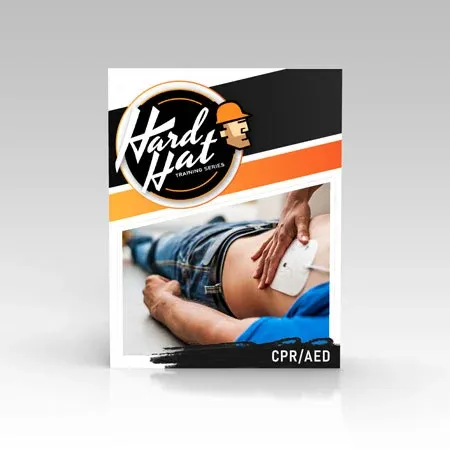
The training kit is for those who want the freedom of doing the training themselves. It is an PowerPoint Presentation (PPT) that you can present yourself to a group of trainees.

What’s in the CPR and AED Training Course?
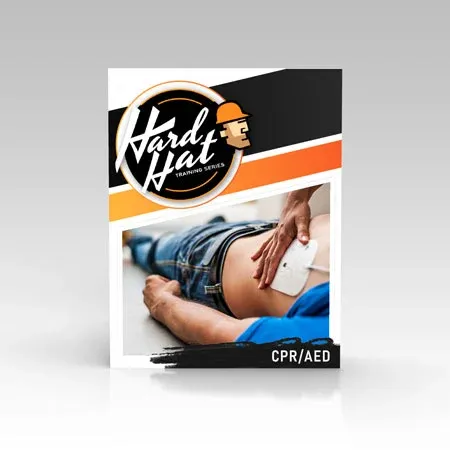
Our CPR and AED training course is regulation aligned, and our online version fulfills classroom training requirements. Each class contains sections on CPR and AED procedures. This presentation includes intermittent practice quiz questions to prepare for the final written exam included with the course. In addition to the written exam, this course also includes a checklist for employers to use when administering a practical exam as required by OSHA.
Estimated Training Length: Because everyone learns and progresses at different speeds, the amount of time you spend taking this training will vary. However, the estimated time for this training is 30 – 60 minutes.
Intended Audience:
- Employers
- Managers
- Supervisors
- Employees
See Purchase Options
For most courses, we offer OSHA trainings in English and Spanish, CAL/OSHA trainings in English, and Canada trainings in English. See all of our options!
Online Purchase Options
Training Kit Purchase Options
CPR & AED Certification Standards
-
U.S. Standards
- 29 CFR 1910.151 – Medical Services and First Aid
- 29 CFR 1926.23 – First Aid and Medical Attention
- 29 CFR 1926.50 – Construction Medical Services and First Aid
- 29 CFR 1915.1030 – Shipyard Safety and Health
- 1926.20 – General Safety and Health Provisions, Training
- 29 CFR 1926.21 – Training and Education
- ANSI Z308.1 – First Aid Kits and Supplies
-
Canada Standards
- SOR/86-304, 16.1 – First Aid
- SOR/86-304, 16.2 – General
- SOR/86-304, 16.3 – First Aid Attendants
- SOR/86-304, 16.5 – First Aid Stations
- SOR/86-304, 16.6 – Communication of Information
- SOR/86-304, 16.7 – First Aid Supplies and Equipment
- SOR/86-304, 16.9 – First Aid Rooms
- SOR/86-304, 16.11 – Transportation
- SOR/86-304, 16.12 – Teaching First Aid
- SOR/86-304, 16.13 – Records
Train the Trainer Certification
The Train the Trainer option is used to certify a trainer to teach others using the included training kit. It incorporates the online course with an additional train the trainer module, as well as the training kit. This option results in an regulation-aligned lifetime trainer certification from Hard Hat Training. This certification is not company-specific, meaning you can take it with you should you change employers.

Why Do I Need CPR and AED Safety Training?
In line with the standards listed above, many industries require employees to be trained in first aid and basic CPR to ensure that individuals receive life-saving treatment in the event of an emergency.
When it comes to refresher health and safety training, the standards in some instances (like forklifts) are very specific: operators must be re-evaluated every three years to see if they are still competent to operate the equipment. Best practices say to apply this same rule to all types of equipment.
A so-called “free-pass” cannot be awarded based on experience, age, or time on the job. The extent of the evaluation is to be determined by the employer but should include a written and practical examination that prove continued competency.
Stay Informed On All Things CPR & AED
-
Did You Know?
In one year alone, 475,000 Americans dies from cardiac arrest. (AHA)
Nearly 45% of out-of-hospital cardiac arrest victims survived when bystander CPR was administered. (AHA)
Immediate CPR and early defibrillation with an AED can more than double a victim’s chance of survival. (New England Journal of Medicine)
See Purchase Options
For most courses, we offer OSHA trainings in English and Spanish, CAL/OSHA trainings in English, and Canada trainings in English. See all of our options!
